
Many owners start on Airbnb and stay there. Understandable: one platform is simple. But letting through a single channel comes at a double price: missed bookings and total dependence on someone else's rules of the game.
Your guests are not all searching in the same place
The German city tripper searches on Booking.com, the American couple on Vrbo, the Belgian family simply googles and lands on Google Vacation Rentals. Every platform has its own audience, with its own habits and travel periods. A property that is in only one place is invisible to all those other searchers. More channels means more demand for the same calendar, and more demand gives room for better prices.
Dependence is a quiet risk
If you run entirely on one platform, you are at the mercy of its decisions. A changed algorithm, an adjusted commission, a dispute over a rating: it can hit your bookings from one month to the next. Spreading across several channels makes your rental more robust, exactly as you would not put all your savings into a single product.
But what about double bookings?
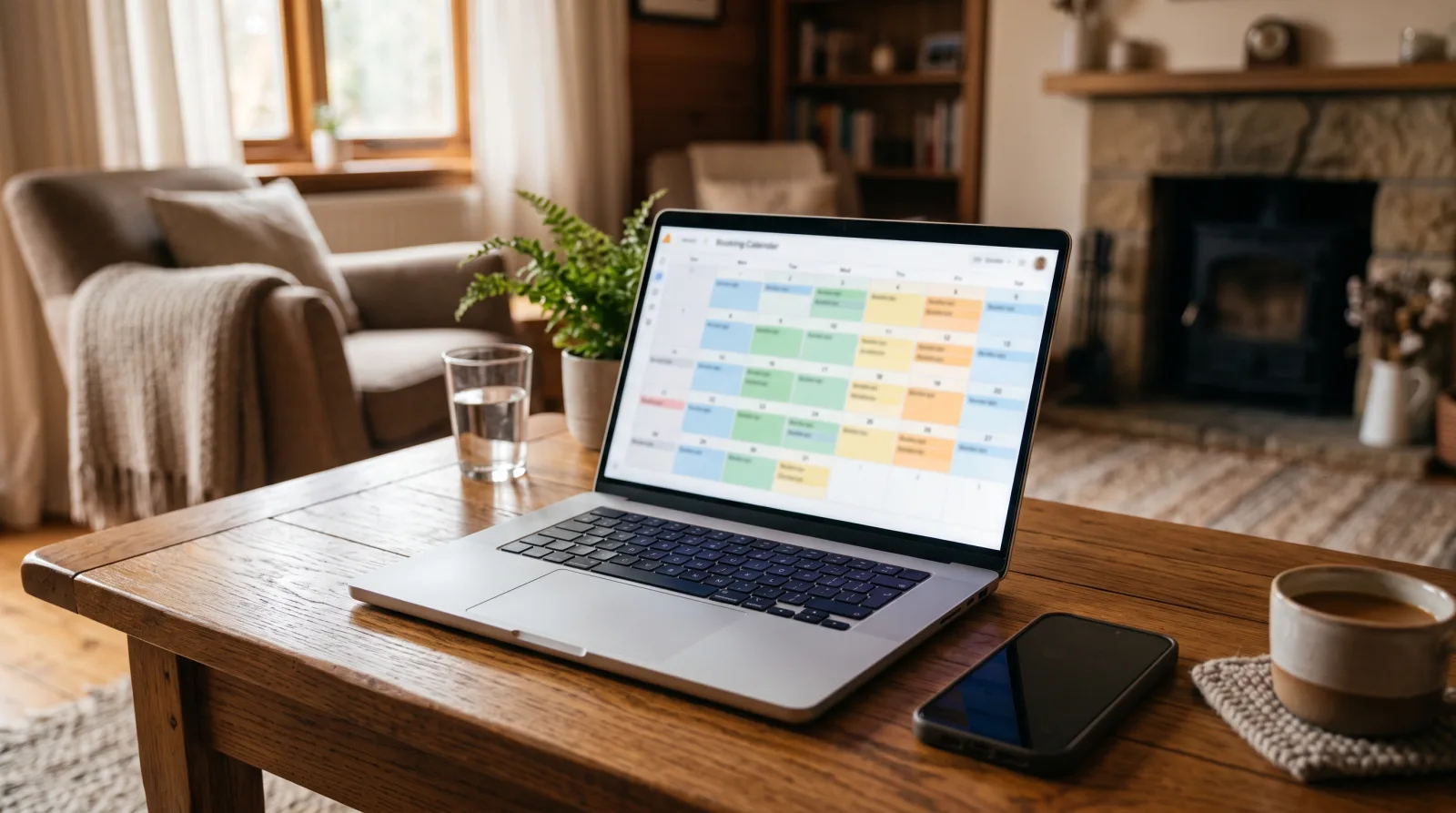
The classic objection, and rightly so: two guests for the same night is a nightmare. The solution is called calendar synchronisation. Availability, prices and bookings are managed centrally; someone books through Booking.com and that date closes on every other channel within moments. That is how the properties in our portfolio have been running on several platforms at once for years.
Do not forget the channel of your own
The strongest complement to the platforms is a channel without commission: direct bookings through a booking environment of your own. Loyal guests in particular are happy to book direct. How that works is set out in our article on direct bookings.
Do it yourself or have it done?
Managing several channels takes a channel manager and daily follow-up. It can be done on your own, but it is exactly the kind of work we take on as booking management, from Bruges to the coast.