
In short
Prepare a holiday home for winter by protecting water pipes and outdoor taps against frost, setting heating and ventilation to a safe basic level, checking the roof and drainage after a storm and testing smoke detectors, access and emergency contacts. Also plan a check after frost or thaw, because a leak sometimes only becomes visible when the temperature rises again.
Start with how the home is used
A home that welcomes guests every week needs a different winter approach from a second home that stands empty for two months. Note occupied periods, personal use, planned maintenance moments and who has access. Make clear who does the last check before an empty period and who goes to look after extreme weather.
Also check your insurance and your arrangements with the syndic. Some policies or buildings impose conditions on heating, shutting off water or notification of longer absences. Those conditions differ; do not copy them from another owner but request them in writing for your property.
Water: protect meter, pipes and outdoor taps
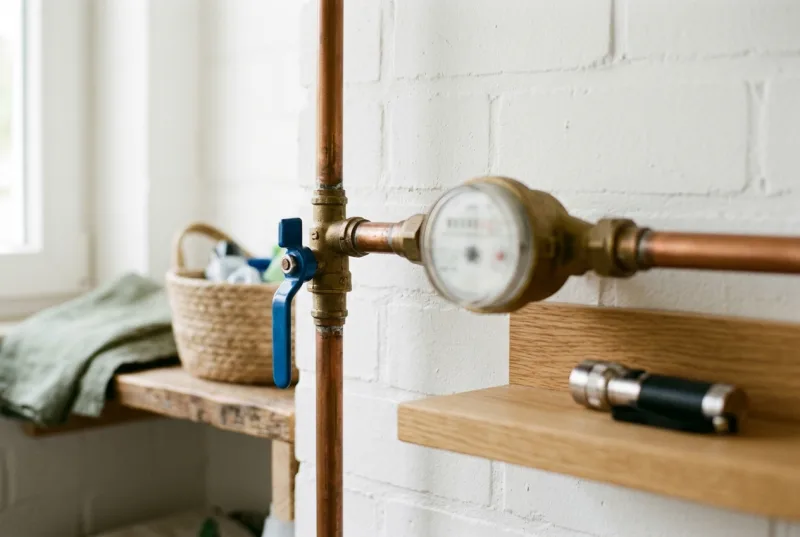
Frost-sensitive pipes are often found in a storage room, cellar, garage, meter pit or external wall. Insulate where needed and close outdoor taps as a precaution. De Watergroep explicitly points to risks for holiday homes and vacant properties. For a home that stands empty for more than two months, De Watergroep advises closing the main stopcock. Coordinate that with appliances that need water and with the conditions of your installation.
After frost, and especially during a thaw, check for an unexpected meter reading, damp, loss of pressure and the sound of flowing water. Damage may only become visible when frozen water thaws again. Know in advance where the main stopcock is and make sure a local contact can reach it without searching.
Heating and ventilation: avoid two extremes
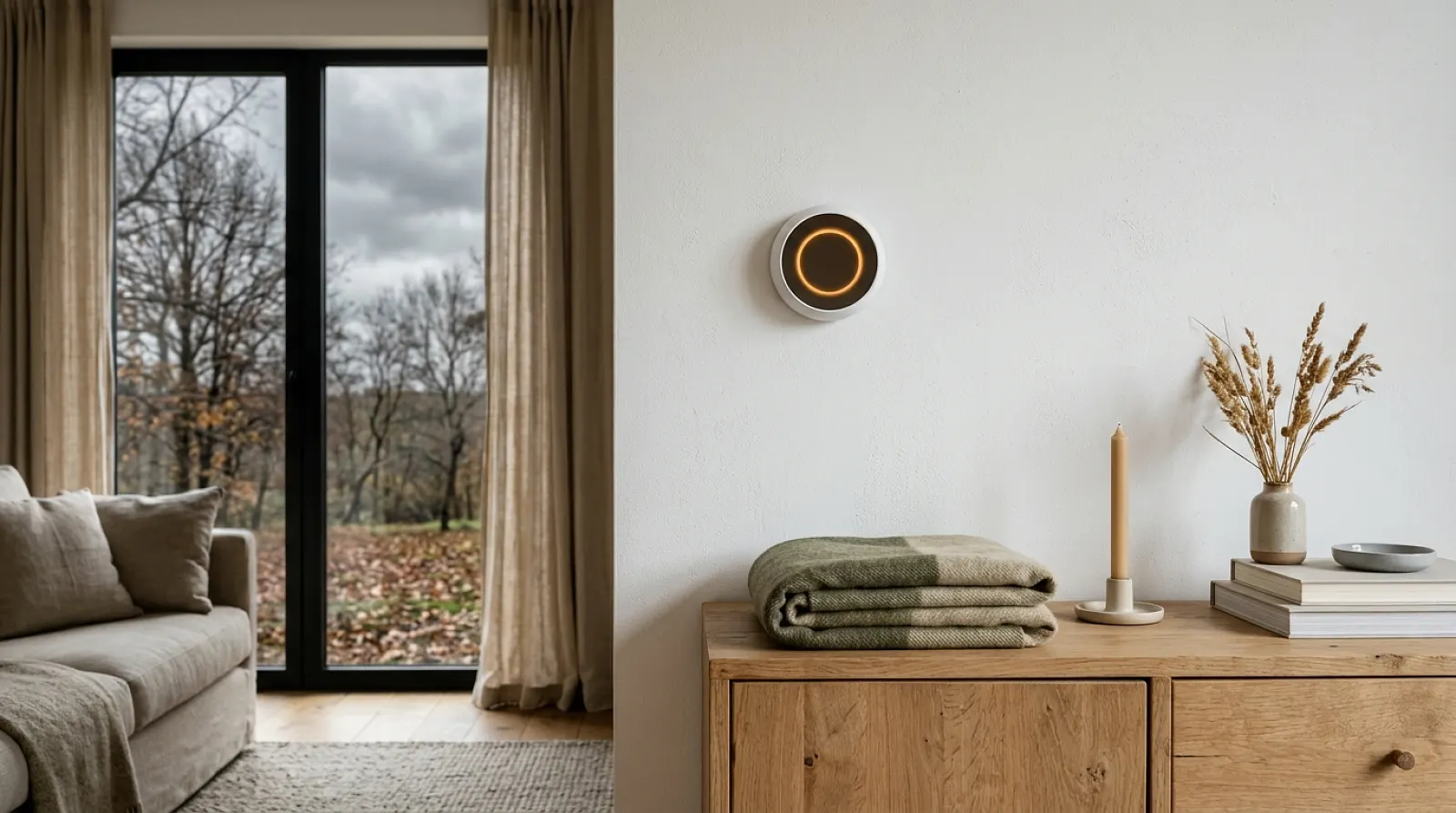
Switching everything off seems economical, but can increase the risk of frost, damp and mould. A basic setting that is too high, on the other hand, wastes energy. Choose a safe setting that suits the building, pipes, insulation and insurance. Have the boiler or heat pump serviced according to the instructions of the installer and manufacturer and test the notifications from smart thermostats.
Ventilate in a controlled way. Do not leave windows ajar in an unsafe way while you are away. Check air vents, extraction and damp areas. After a stay, wet towels, condensation and shower damp must be gone before the home stays closed for a longer time.
Exterior: think of coastal wind and driving rain
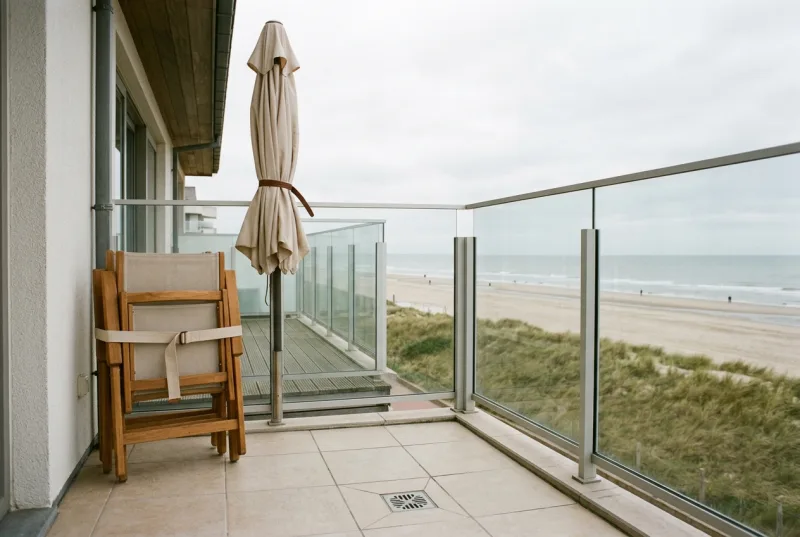
On the Belgian coast, facades, terraces and exterior joinery get a lot of wind and salty air. Secure loose garden furniture or bring it inside, check sun shading and close parasols. See that drains, gutters and terrace gullies are free of leaves and sand. In an apartment building, coordinate work on common parts with the syndic.
After a storm you check not only for visible damage. Also look for displaced roof or facade elements, water ingress around windows, blocked drains and objects that pose a danger. The National Crisis Centre advises following official warnings and the instructions of the emergency services. For non-urgent storm damage, use the channel intended for it; 112 remains for urgent emergencies.
Test safety and access
Test smoke detectors according to the manufacturer's instructions, check batteries where applicable and keep escape routes clear. The existing Guestflow article on the fire safety certificate covers the Flemish certificate requirements; this winter check does not replace that check.
Also go through access: key safe, lock, door closer, exterior lighting and any smart notifications. Keep a spare key with a reliable local party and record who gets access. A key without instructions, authorisations and registration is not a management plan.
Keep a check log
Work with date, the person who carried out the check, meter reading, temperature, visible signs of damp, status of heating, windows, access and photos of deviations. Also note what could not be checked. That way you see change between visits and a tradesperson can judge more quickly what is going on.
Agree escalation limits. For a dripping tap, a photo and a phone call may be enough at first; for an active leak someone has to shut off the water and act immediately. Record which small interventions may be made without prior permission and from what amount the owner decides.
Use the changeover as a winter check
When the home stays in rental, every guest changeover is a moment to check. In winter, add fixed points to the changeover: thermostat, water pressure, outdoor tap, damp, windows, drains and any storm damage. That costs less time than a separate check and makes small deviations visible sooner.
A cleaning checklist alone is not enough. The person checking must know which signals are abnormal and how they are reported. Photos, a short status and a clear follow-up action make the difference between “looked at” and genuinely followed up.
When local oversight makes sense
If you do not live nearby, response time is the vulnerable point. A remote notification does not always tell you whether there is real damage. Local oversight makes sense when the home is regularly empty, you cannot get there quickly or suppliers need access.
Guestflow can check a holiday home or second home, prepare arrivals and organise practical follow-up. The exact approach depends on the property, location and desired frequency. An initial conversation should therefore begin with risks and use, not with a standard list that is the same for every property.
You can read what good oversight during your absence involves in having your second home checked.
Frequently asked questions
Do I have to switch the heating off completely?
Not automatically. Choose a safe setting according to the building, installation, insurance and your installer's advice. Switching off completely can increase frost or damp problems in some homes.
When do I close the main stopcock?
De Watergroep advises closing it when a home stands empty for more than two months. First check which installations need water and which insurance or building arrangements apply.
Why check after a thaw?
A frozen pipe may only leak when the ice melts. Check the meter reading, pressure, signs of damp and the sound of flowing water.
What do I check after a storm on the coast?
Loose outdoor items, water ingress, windows, drains, terrace gullies and visible damage to the roof or facade. Respect the authority of the syndic and the emergency services.
Can a changeover serve as a winter check?
Yes, if winter points are explicitly in the checklist and deviations are reported with a photo, status and follow-up action.