
In short
Good oversight of a second home involves more than keeping a key. Agree how often someone checks, which points are looked at, how photos and deviations are reported and when direct intervention is allowed. Put key registration, privacy, supplier access, storm checks and escalation limits in writing.
Keyholding is the basis, not the whole service
A spare key nearby is valuable when you lock yourself out or a tradesperson needs access. But a key held in safekeeping tells you nothing about damp, an open window, faulty heating or damage after a storm. Oversight only begins when someone looks at the property according to an agreed check plan and records the findings.
So ask who has access, where keys are kept, how handing them out is recorded and what happens if one is lost. A key must never be detached from instructions and responsibility. Digital access calls for the same discipline: unique rights, a log and timely withdrawal.
Set the frequency by risk and use
The right frequency depends on the building, season, insurance, technical installations and how often you visit yourself. An apartment with an active syndic calls for a different approach from a detached house with a garden. In winter or after a storm an extra check can make sense, while a heavily used home is already seen more often at changeovers.
Do not be guided only by a fixed number of visits. More important is when extra looks are taken: after a notification from the syndic, during a power cut, after a storm, before your arrival or when a smart sensor deviates. Record which events trigger a check.
What belongs in a good home check?
A fixed round can consist of access and signs of break-in, windows and doors, visible signs of water or damp, heating, electricity, sanitary fittings, smell, ventilation and exterior parts as far as accessible. For apartments, relevant information from common parts or from the syndic is also part of the follow-up.
A check is visual and practical; it does not replace a technical inspection. The person carrying it out must recognise deviations and call in the right tradesperson, but does not have to come up with a diagnosis. Clear limits protect both owner and checker.
Reporting makes oversight verifiable
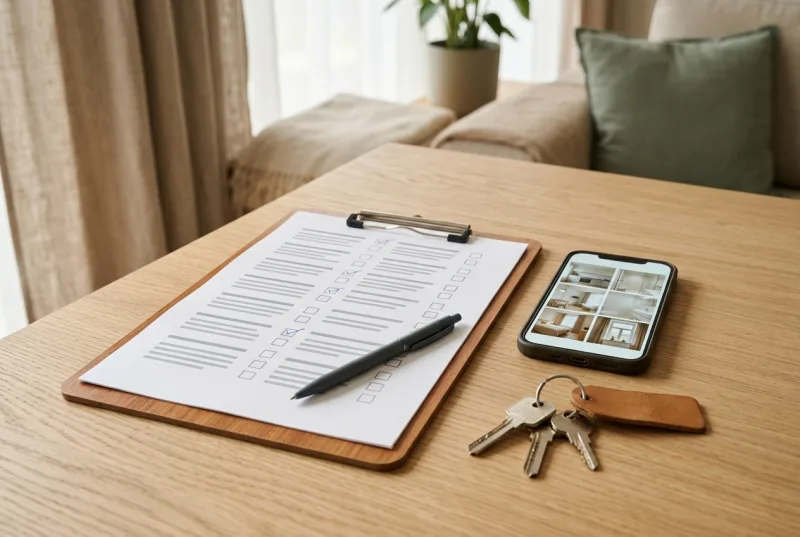
After each visit, ask for at least the date, who carried it out, points checked, any photos, deviations and follow-up action. “All fine” is too little when a discussion arises later. A short fixed format is better than a long free text that is different every time.
Photos should be functional and stored securely. Avoid unnecessary images of personal belongings. Agree how long reports are kept and who receives them. For an urgent problem, reporting does not wait until the end of the day: limit the damage first, then document fully.
Agree interventions and costs in advance
Not every problem can wait for an extensive approval. Agree a limit within which a local manager may, for example, shut off water, call a locksmith or organise a small emergency intervention. Above that limit the owner decides, unless there is immediate danger.
Ask how hours, kilometres, supplier access and materials are charged. Transparency prevents a cheap basic package becoming expensive through unclear extras. Also compare what is included in a visit: only looking inside, a checklist, photos, airing, meter readings or arrival preparation.
Make arrival and departure part of Property Care
Oversight can go further than preventing damage. Before arrival, someone can check heating, water, lighting and basic supplies, prepare beds or have groceries ready as agreed. After departure the home can be looked over and securely locked up. That makes a second home genuinely ready to use, without your first day of holiday consisting of checks.
Do keep these tasks separate from periodic oversight. That keeps it clear which checks are standard and which services you only order around a stay.
Choose a local party that can follow up
Local does not only mean an address nearby. Ask who actually goes on site, how quickly someone can look at an urgent notification and which network of tradespeople is available. Also check whether the working area is realistic; fast follow-up is not possible if the route is structurally too long.
Guestflow offers Property Care and keyholding for second homes in Knokke-Heist and the designated working area. Kevin and Heidi combine periodic checks, arrival preparation and practical follow-up according to the chosen package. Always check the current content, prices and geographic availability on the service page.
Compare providers with seven questions
Ask who manages your key, which check points are fixed, what reporting you receive, when extra checks take place, how quickly urgent notifications are handled, which interventions may be made without permission and which costs fall outside the package. Have the answers included in the agreement.
The best choice is not automatically the party with the most ticks. Look for an approach that fits your property and your absence. Reliable oversight is above all predictable: you know who looks, what that person sees and what happens next.
Frequently asked questions
What is the difference between keyholding and home oversight?
Keyholding stores keys and records access. Home oversight adds scheduled checks, reporting and agreed follow-up.
How often should a second home be checked?
That depends on insurance, building, season, installations and use. Work with a base frequency plus extra checks after relevant notifications or extreme weather.
May a manager let a tradesperson in?
Yes, if that has been agreed in advance and access is recorded. Also record who gives the order and who approves costs.
Will I get photos after every check?
That should be in the agreement. A fixed report with date, check points, deviations and functional photos gives the most clarity.
Where does Guestflow offer Property Care?
The current service page names Knokke-Heist and the designated working area. Check availability for your exact address directly with Guestflow.